You generate leads from social media by combining targeted content, strategic calls to action, and platform-specific tools like lead forms, DM funnels, and gated downloads. The goal is to move followers from passive scrollers to active prospects who hand over their contact information willingly.
Social media lead generation isn't about posting and hoping. It's a system. When done right, it turns your social presence into a consistent pipeline of qualified leads. 68% of marketers say social media now drives leads for their business (HubSpot, 2026), and that number keeps climbing as platforms add more lead capture tools.
Whether you're a local service business in Ottawa or a national B2B brand, the fundamentals are the same: attract the right audience, earn their trust with valuable content, and give them a clear reason to take the next step. This guide breaks down exactly how to do that, with real data, platform comparisons, and tactics you can put to work this week.
Key takeaway
Social media lead generation works when you treat it as a funnel, not a megaphone. Use platform-native tools like lead forms and DM automations, pair organic content with targeted paid campaigns, and track everything with UTMs and proper attribution. Businesses that combine paid and organic strategies see higher lead quality and lower cost per acquisition over time.
Why Social Media Lead Generation Works in 2026
Social media isn't just a brand awareness channel anymore. It's a full lead generation engine, and the data backs that up. According to HubSpot's 2026 State of Marketing report, 68% of marketers report that social media actively drives leads for their business. LinkedIn alone generates leads at a rate 277% higher than Facebook or Twitter (Sprout Social, 2025).
And the economics are favorable. Facebook offers some of the most cost-effective lead generation available, with an average cost per lead between $5.83 and $21.98 depending on industry (WordStream, 2025). Facebook and Instagram are tied as the top platforms for overall ROI at roughly 29% each. Even LinkedIn, which commands premium pricing for B2B audiences, delivers leads that convert at much higher rates than most other digital channels.
What makes 2026 different is the maturity of platform tools. LinkedIn Lead Gen Forms now convert at 10 to 15%, well above the typical landing page conversion rate of 2 to 5% (Sopro, 2025). Meta's lead ad formats have gotten smarter with AI-driven targeting. And TikTok is showing an impressive short-term ROI of 11.8%, with 75% of advertisers achieving their highest returns on the platform compared to other social channels (Sprout Social, 2025).
There's also the compounding effect. 66% of marketers who spend just six hours per week on social media marketing report successful lead generation results (HubSpot, 2026). That's less than an hour a day. The barrier to entry is low, but the payoff scales quickly when you're consistent and strategic about it.
The Social Media Lead Generation Funnel Explained
Every social media lead passes through three stages: awareness, interest, and conversion. Understanding this funnel is the difference between random posting and a system that produces predictable results.
At the awareness stage, your goal is reach. This is where short-form video, carousel posts, and shareable content do the heavy lifting. You're not selling here. You're making people aware that you exist and that you understand their problems. Organic reach varies by platform (Instagram averages about 9.34%, while Facebook pages sit at just 1.64%, per Sprout Social 2025), so your content strategy should account for those differences.
The interest stage is where engagement deepens. Someone who watched your Reel now visits your profile, reads your bio, and clicks through to a resource. This is where lead magnets, email list opt-ins, and value-driven content series come into play. Think free guides, templates, checklists, or exclusive video content. The goal is simple: exchange something valuable for their contact information.
Finally, the conversion stage is where a lead becomes a real prospect. They fill out a form, book a consultation, or respond to a DM sequence. Platform-native tools shine here. LinkedIn Lead Gen Forms, Meta lead ads, and Instagram DM automations can all capture information without forcing users to leave the platform, which cuts friction sharply.
Here's the key insight: social media converts at lower rates than high-intent channels like search (B2B social averages around 1 to 2% conversion, per HubSpot 2026). But it compensates with volume, lower cost per impression, and the trust-building that happens at the top of the funnel. Businesses with social selling strategies close deals that are 48% larger on average (LinkedIn, 2025). So the leads coming through social may convert slower, but they often convert bigger.
Best Social Media Platforms for Lead Generation
Not every platform is built for lead generation, and the best choice depends on whether you're targeting consumers or businesses. Here's how the major platforms stack up.
LinkedIn is the clear winner for B2B. It drives 80% of all B2B social leads and has a visitor-to-lead conversion rate of 2.74%, compared to Facebook's 0.77% (Sopro, 2025). 89% of B2B marketers use LinkedIn for lead generation, and 58% say it delivers the highest ROI of any social platform (Martal Group, 2026). The trade-off is cost. LinkedIn CPL averages $45 or more, with B2B campaigns often landing between $75 and $200 per lead (Cleverly, 2026).
Facebook and Instagram remain the most cost-effective options for B2C and local businesses. Facebook's median CPL is $6.49, and Meta's combined average sits around $15 per lead (WordStream, 2025). Instagram's cost-per-click ranges from $0.03 to $2.00, making it one of the most affordable platforms for initial engagement. For local businesses in Ottawa, Meta ads with geographic targeting deliver strong results at reasonable budgets.
TikTok is the rising contender. While it's still maturing as a lead gen platform, 75% of advertisers report achieving their highest ROI on TikTok compared to other channels (Sprout Social, 2025). Its strength is top-of-funnel awareness that feeds downstream conversions, especially for brands targeting audiences under 40. YouTube works as a long-game lead gen channel too. Video content ranks well in search, giving it a longer shelf life than social posts.
The bottom line: most businesses should be on two to three platforms maximum, with their primary budget going to the platform where their target audience actually spends time.
How to Turn Social Media Followers Into Leads

Having followers is great. Turning them into leads is what actually grows your business. Here are the tactics that consistently work.
Start with your bio link. Every social profile gets one clickable link (or a link tree). This should point to a landing page with a clear offer, not just your homepage. A free consultation booking page, a downloadable guide, or a quiz funnel will convert far better than a generic website link.
DM funnels are one of the highest-converting tactics available right now. The format is simple: post a piece of valuable content, then ask people to comment a keyword or send a DM to get access to a resource. Tools like ManyChat can automate the delivery, capturing contact info in the process. This works because it uses the platform's own engagement signals, which also boosts your post in the algorithm.
Lead magnets remain the backbone of social lead gen. The most effective formats include checklists, templates, short video courses, industry reports, and discount codes. But here's the thing: the lead magnet needs to be specific to a real problem your audience has. Generic "sign up for our newsletter" offers convert poorly. "Download our 2026 Ottawa Social Media Calendar Template" converts well.
Calls to action need to be explicit and frequent. Every third or fourth post should include a clear next step for the viewer. Not every CTA needs to be "book a call." Mix in softer asks like "save this post," "share with someone who needs this," or "drop a question in the comments." These micro-engagements warm people up for the bigger ask later. And don't sleep on Stories and live video for real-time lead generation. Polls, Q&A stickers, and countdown timers for limited offers all create urgency and direct engagement.
Paid Social Ads vs Organic Content for Lead Generation
This isn't an either-or decision. The data shows that the best results come from combining both, but understanding when to lean on each matters.
Paid social delivers speed. You can have leads coming in within 24 hours of launching a campaign. In 2025, paid social advertising averages $65 per lead, with businesses typically earning $2 to $4 for every $1 spent on social ads (WordStream, 2025). Facebook and Instagram lead ads, LinkedIn Lead Gen Forms, and TikTok lead generation campaigns all let you capture information without sending users to an external site. That keeps conversion rates high. The downside? It stops the moment you stop paying. There's no compounding effect.
Organic content takes longer to produce results, but it builds assets that keep working. Organic social media leads convert to customers at rates 30 to 50% higher than paid leads across most industries (WordStream, 2025). The initial cost per lead can be higher (around $95 per lead on average), but that number drops noticeably over time as your content library grows and your audience compounds.
The real power is in the hybrid approach. Use paid campaigns for immediate lead capture, testing offers, and reaching cold audiences. Use organic content to nurture those leads, build authority, and keep your brand top of mind. A good rule of thumb for local businesses: allocate 60 to 70% of your budget to paid campaigns for direct lead generation, and dedicate the remaining 30 to 40% of your time to organic content that supports the paid strategy.
One important note: organic reach continues to decline. Facebook page organic reach dropped to 1.64% in 2024 (Sprout Social, 2025). That means organic alone isn't enough for most businesses. But organic combined with even a modest paid budget creates a system that's more resilient and cost-effective than either approach in isolation.
How to Measure and Track Social Media Leads
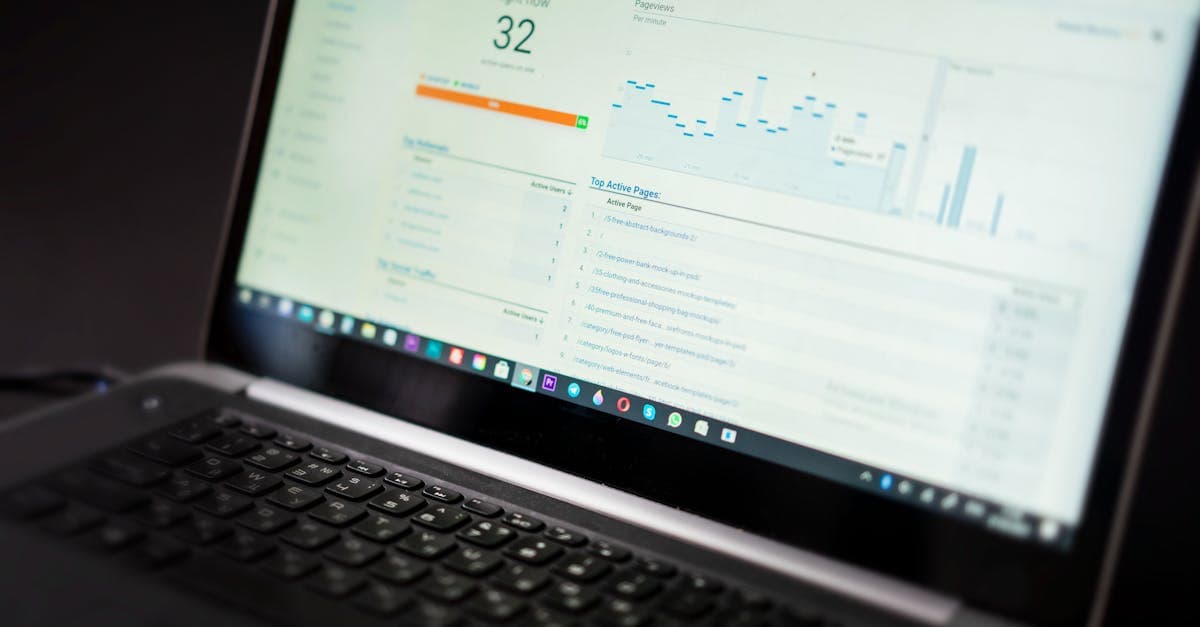
If you can't measure it, you can't improve it. Tracking social media leads properly requires three things: UTM parameters, platform analytics, and a CRM or spreadsheet that ties it all together.
UTM parameters are short codes you add to URLs that tell your analytics tool where traffic came from. Every link you share on social media should include utm_source (the platform), utm_medium (organic-social or paid-social), and utm_campaign (the specific campaign name). Companies that implement standardized UTM naming conventions see a 29% improvement in campaign attribution accuracy (UTM.io, 2025). Keep everything lowercase and consistent.
Local businesses got a meaningful tracking upgrade in June 2026: Google Analytics now imports seven Google Business Profile metrics, including calls, bookings, direction requests, and website clicks. If your social content sends people to your Google profile (and for local businesses, it constantly does), those actions finally show up in the same dashboard as your site traffic. Link the two and you close one of the biggest blind spots in local attribution.
Platform-native analytics give you the engagement side of the picture. Track metrics like link clicks, profile visits, lead form submissions, and DM response rates. On LinkedIn, monitor your Social Selling Index score. Reps with high SSI scores generate 45% more opportunities and are 51% more likely to hit quota (LinkedIn, 2025). On Meta, track cost per lead, lead form completion rate, and lead quality scores.
For attribution, you need to decide between last-click and multi-touch models. Last-click attribution gives credit to the final touchpoint before conversion, which tends to undervalue social media. Multi-touch attribution distributes credit across the entire journey, giving a more accurate picture of how social content influenced the decision. Tools like Google Analytics 4, HubSpot, and Segment can all handle multi-touch attribution.
The most important metrics to track are cost per lead by platform, lead-to-customer conversion rate, time from first touch to conversion, and revenue attributed to social channels. Review these monthly at minimum. If your Facebook CPL is climbing above $20 for a local campaign, that's a signal to refresh your creative. If LinkedIn leads are converting to customers at 3x the rate of Instagram leads, that tells you where to invest more.
Social media lead generation isn't about chasing vanity metrics or going viral. It's about building a repeatable system that attracts the right people, earns their trust, and gives them a clear path to become a customer.
Start with the basics: optimize your profiles, create lead magnets that solve real problems, use platform-native tools to capture contact info, and track everything with UTMs. Layer in paid campaigns when you're ready to scale, and let organic content do the long-term trust building.
The businesses that win at social media lead gen are the ones that treat it like a funnel, not a billboard. If you want help building a lead generation system that actually works for your business, QUE Media offers free consultations for Ottawa businesses and beyond. We'll audit your current social presence, identify the biggest opportunities, and map out a plan to turn your social channels into a reliable source of qualified leads.
Frequently Asked Questions
What is social media lead generation?
Social media lead generation is the process of using social platforms to identify and attract potential customers, then capturing their contact information for follow-up. This includes tactics like lead form ads, DM funnels, gated content downloads, and bio link strategies. The goal is to move someone from being a passive follower to an active prospect in your sales pipeline.
Which social media platform generates the most leads?
For B2B, LinkedIn generates the most leads by a wide margin, driving 80% of all B2B social leads with a conversion rate of 2.74% (<a href="https://sopro.io/resources/blog/linkedin-lead-generation-statistics/" target="_blank" rel="noopener">Sopro, 2025</a>). For B2C and local businesses, Facebook and Instagram typically deliver the highest volume of leads at the lowest cost, with a median CPL of $6.49 on Facebook. The best platform depends on where your target audience spends their time.
How much does it cost to generate leads on social media?
Costs vary a lot by platform and industry. Facebook leads average $5.83 to $21.98 per lead, while LinkedIn B2B leads range from $75 to $200 per lead (<a href="https://www.wordstream.com/blog/ws/2017/02/28/facebook-advertising-benchmarks" target="_blank" rel="noopener">WordStream, 2025</a>). Organic lead generation averages around $95 per lead initially but gets cheaper over time as content compounds. Most local businesses can expect to pay $10 to $30 per lead with a well-optimized Meta ads campaign.
How long does it take to generate leads from social media?
Paid campaigns can generate leads within 24 to 48 hours of launching. Organic lead generation typically takes 3 to 6 months of consistent posting before producing reliable results. The fastest path is running paid lead ads while simultaneously building your organic content library. Most businesses see meaningful traction within 60 to 90 days using a hybrid paid and organic approach.
Can you generate B2B leads from social media?
Absolutely. LinkedIn is the dominant B2B lead generation platform, with 89% of B2B marketers using it for lead gen and 80% of all B2B social leads coming through the platform (<a href="https://sopro.io/resources/blog/linkedin-lead-generation-statistics/" target="_blank" rel="noopener">Sopro, 2025</a>). LinkedIn Lead Gen Forms convert at 10 to 15%, well above typical landing page rates. B2B companies that invest in social selling close deals that are 48% larger on average compared to those that don't.