
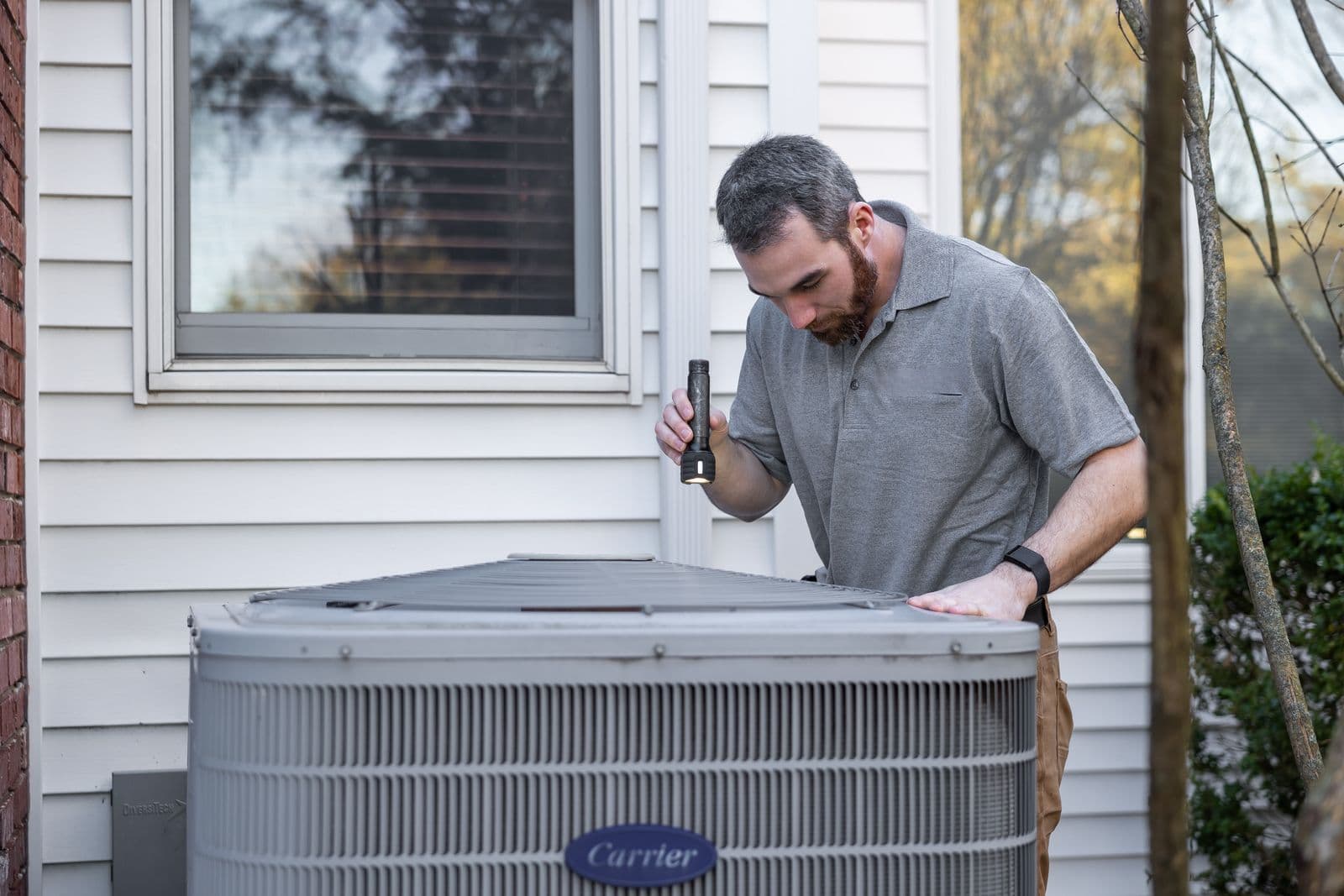
An Ottawa HVAC shop can move from a quiet stretch to a packed call board after one cold snap. A furnace tune-up, a no-heat repair, and a heat-pump quote do not need the same message or landing page. If every ad and post says only "heating and cooling," customers have to figure out what to book.
A useful HVAC marketing plan follows the job calendar. It connects each service to the right Ottawa audience, a page that explains the offer, and a booking path the team can handle. The plan also changes when capacity, weather, or program rules change.
Key takeaway
Plan HVAC marketing around the service you want to sell, the season, and the crew's capacity. Use local search and paid campaigns for people looking for a specific job, then use helpful content and follow-up to keep the relationship moving. Measure calls that turn into booked work, not clicks on their own.
What should an HVAC marketing plan start with?
Start with one service line, not a list of channels. A company that wants more heat-pump installations needs a different page and consultation path from a team filling its schedule with furnace repairs. Annual maintenance plans, emergency service, and air-conditioning replacement each have a different customer question behind them.
Write down the job you want more of, the parts of Ottawa you actually serve, and how many new requests the team can handle this month. Note who answers calls and messages, who schedules estimates, and what information a customer needs before booking. If the business only offers emergency service during set hours, say that plainly. Do not advertise overnight response or same-day installation unless the crew can provide it.
Then make sure the website has a useful destination for that service. A page should name the work, explain what a visit or estimate involves, show the real service area, and make the next step obvious on a phone. The SEO guide for Ottawa contractors covers service pages and local proof in more detail. Use those basics before sending paid traffic to a generic homepage.
This small planning step keeps the campaign tied to the work the company can deliver. It also gives the owner a fair way to judge whether marketing is bringing the right jobs, rather than simply making the phone ring.
How should HVAC marketing change through the Ottawa year?
Heating and cooling needs shift with the season, so the message should shift too. In late summer and early fall, a contractor might promote furnace inspections or maintenance appointments before the first cold spell. The page should say what the visit includes and how far ahead customers need to book. Avoid a vague "get ready for winter" post if the next step is not clear.
During winter, separate urgent repairs from planned replacements. Someone searching because there is no heat needs a fast way to reach the right person. A homeowner comparing a new furnace or heat pump needs service details, financing information if offered, and a path to an estimate. Only advertise emergency availability that the company can staff.
Spring is a good time to prepare air-conditioning and heat-pump pages, review photos, and build a schedule for seasonal maintenance. In summer, the company may have more demand for cooling repairs and replacement. If crews are already full, pause or reduce the offers that produce work the team cannot take.
Heat-pump messaging also needs a current source. On October 8, 2026, the Government of Canada announced a $2 billion home-retrofit investment over eight years, including a National Heat Pump Rebate for up to 820,000 homeowners installing eligible electric cold-climate air-source heat pumps. The backgrounder says eligible households below the median income may receive up to $10,000, while other eligible homeowners may receive $2,000. Those amounts are not a promise that a particular customer or product qualifies. Link to the official rebate backgrounder, keep the page date visible, and check the program's current rules before quoting eligibility or savings.
Which marketing channels matter most to HVAC contractors?
A complete Google Business Profile helps a nearby customer check services, hours, and contact details. Google says local results mainly depend on relevance, distance, and popularity, and complete, accurate information can make a business more likely to appear for relevant searches. Its guidance also says there is no way to pay for a better local ranking. Keep the profile current and match it to the real services on the website. Our Google Business Profile guide explains the basics.
Local Services Ads can be worth checking for HVAC companies. Google lists HVAC among the Canadian service categories, but asks each business to check its eligibility by area. The ads can send calls and messages, and Google says advertisers pay for leads related to their business and services. Treat eligibility as a first check, not a guarantee that every contractor or postal code can run them. Standard Google Search campaigns can cover other service queries; our Google Ads guide for Ottawa contractors covers campaign setup.
Social posts, short videos, and customer emails have a different job. They can show a maintenance process, introduce the crew, explain what an estimate includes, or remind existing customers about a seasonal check. They are not a substitute for a clear service page when someone is ready to call. Use one or two formats the team can maintain instead of opening accounts everywhere.
If your team needs help connecting local search, content, and advertising, Que Media's marketing services explain the work available to Ottawa businesses.
How can an HVAC company turn more inquiries into booked jobs?
A marketing lead is only useful if someone can take it from first contact to a scheduled visit. Choose who owns calls, website forms, and Local Services messages during business hours. If the company offers after-hours support, make the coverage and handoff clear so a caller is not promised a technician who is unavailable.
Keep a short record for each inquiry: the service requested, service area, source, time received, whether the team reached the person, and what happened next. A quote request that becomes a booked estimate is more useful to the owner than a click or an unqualified form. Ask the person who takes calls to flag repeated questions. Those questions often show where an ad, profile, or landing page needs a clearer answer.
Google's Local Services policies say that regularly failing to answer calls or messages may affect ad ranking. That makes lead response part of the campaign, not an office detail to fix later. Use the Local Services platform policies to review the current requirements, then set a response process the company can keep.
After an estimate, follow up with a useful status update and a clear next step. Do not send repeated messages without regard for the customer's preference. A short, respectful process is easier to manage and gives the business a better picture of which offers lead to real work.
What should HVAC marketing measure beyond clicks?
Track each service separately. A campaign for maintenance appointments should not be judged the same way as a campaign for heat-pump installations. Record the spend, calls or messages, qualified inquiries, estimates booked, jobs sold, and the service area for each result. If a lead is not a fit, note why.
A simple weekly review can answer practical questions. Did the call come from the service the company promoted? Was the customer in the area? Did the team have room for the job? How many estimates were scheduled, and how many became work? Compare cost per booked job by campaign and season. Clicks and form submissions alone leave the outcome unclear.
Ask new customers how they found the company and record the answer. This will not replace analytics, but it can catch referrals, repeat customers, and conversations that a tracking link missed. Keep the question consistent so one month can be compared with the next.
Use those findings to decide what to change. If people click but do not call, review the page and the offer. If calls come in but estimates do not get scheduled, fix response and booking steps before increasing the budget. If one service brings suitable jobs and the crew has capacity, give that campaign a larger share of the next seasonal plan.
What can an HVAC business do in the next 90 days?
For the first 30 days, pick one priority service and one area the business can serve. Check the Google profile, page details, phone number, booking form, and estimate process. Write down the current calls, estimates, and booked jobs before changing the campaign.
During days 31 through 60, run a focused test for that service. Use a matching page, a clear offer, and one or two channels the team can manage. Add a short piece of content that answers a real customer question, such as what a maintenance visit includes or what information to have ready for an estimate. If the team reaches capacity, adjust the promotion rather than collecting requests it cannot serve.
In days 61 through 90, compare results by service, source, and outcome. Keep the parts that bring suitable booked work, fix the pages or handoffs that lose good requests, and plan the next seasonal offer. Review heat-pump rebate wording against the official government page before publishing new claims. Repeat the cycle when the work mix changes.
This schedule is meant to make decisions easier, not to force a contractor into a fixed posting quota. A small plan the team can track is more useful than a large calendar nobody has time to run.
HVAC marketing in Ottawa works best when the offer fits the season, the service area, and the crew's actual capacity. Give each priority service a useful page, choose channels that match how customers look for that job, and track what happens after the first call.
If you are planning the next season and want help connecting search, content, and campaigns, contact Que Media. For a closer look at the social side of contractor marketing, read our Ottawa contractor social media guide.
Frequently Asked Questions
How do I market an HVAC company in Ottawa?
Start with one service the team has capacity to sell, such as furnace repair, maintenance, or heat-pump installation. Give it a clear local page and a booking path that works on a phone. Use local search, paid campaigns, or customer follow-up to reach people who need that service, then track which inquiries become booked jobs.
When should an HVAC company advertise in Ottawa?
Plan campaigns before the service season the company wants to fill, then adjust them as weather and crew availability change. Keep repair and replacement offers separate because customers are looking for different next steps. Do not advertise emergency hours or installation dates the team cannot provide.
Are Google Local Services Ads available to HVAC businesses in Canada?
Google lists HVAC among the Canadian service categories for Local Services Ads, but each business should check eligibility in its area. The ads can send phone calls and messages, and Google says regular failure to respond may affect ad ranking. Review the <a href="https://support.google.com/localservices/answer/6224841?co=GENIE.CountryCode%3DCA" target="_blank" rel="noopener">current Canadian eligibility details</a> before planning around them.
How can an HVAC company get more winter service calls?
Make the furnace repair page, phone number, hours, and service area easy to find before winter demand rises. Keep urgent repair messages separate from planned replacement offers, and make sure someone can respond to the leads being advertised. Review calls and booked visits each week so the campaign reflects the work the company can actually take.
Can HVAC contractors advertise the new federal heat-pump rebate?
They can describe the announced National Heat Pump Rebate with a link to the Government of Canada's current information. The October 8, 2026 announcement includes a $2 billion investment over eight years and a rebate program for up to 820,000 homeowners, with amounts and eligibility depending on the household and equipment. Do not describe a rebate as guaranteed or promise that a particular customer or heat pump qualifies.