Picture a small restaurant on Elgin Street on a rainy Tuesday. The food is good. The room looks great. The staff are ready. But the dining room is half empty because the only people thinking about that restaurant are the people who already follow it.
Across town, another restaurant posts a 17-second Reel of a server dropping a plate of pasta on the table, steam still rising, with a caption that says, "This is your sign to stop cooking tonight." The video is not polished. It feels alive. By dinner, the comments are full of people tagging friends and asking whether reservations are open.
That is the gap this article solves. Social media marketing for restaurants is not about posting menu graphics every week and hoping someone notices. It is about building a local content system that makes people hungry, earns saves and shares, supports Google discovery, and turns attention into booked tables.
Key takeaway
Restaurant social media works best when it combines craveable short-form video, local discovery signals, fast community engagement, and clear booking paths. DataForSEO shows Canadian search demand for "social media marketing for restaurants" with low competition, and Google results are dominated by broad national guides. That leaves room for a more practical Ottawa restaurant playbook built around Reels, TikTok, Google Business Profile, and repeatable weekly content.
Why restaurant social media is different from regular small business marketing
Restaurants have one advantage most businesses would love to have: the product is visual, emotional, and time-sensitive. A salon needs to explain a transformation. A law firm needs to build trust slowly. A restaurant can make someone hungry in two seconds.
That changes the strategy. Your content does not need to educate for five minutes before anyone cares. It needs to trigger appetite, social plans, and location memory. A close-up of a burger being cut in half can do more than a polished brand announcement because the viewer immediately understands the offer.
Canada had 31.7 million social media user identities in January 2025, equal to 79.4% of the population, according to DataReportal. For Ottawa restaurants, that means your guests are already using social platforms to decide what looks good, what feels busy, and where their friends are going.
The mistake is treating restaurant social media like a bulletin board. Specials, hours, holiday closures, and catering reminders are useful, but they rarely create demand on their own. Your feed needs a mix of food desire, atmosphere, staff personality, local proof, and frictionless next steps. If someone sees a dish and wants it, the path to book, order, call, or get directions should be obvious.
What Ottawa diners need to see before they book
Most diners are not making a spreadsheet. They are scanning for a few quick signals: Does the food look worth leaving the house for? Does the room feel right for tonight? Do other people seem to like it? Can I book or order without hunting around?
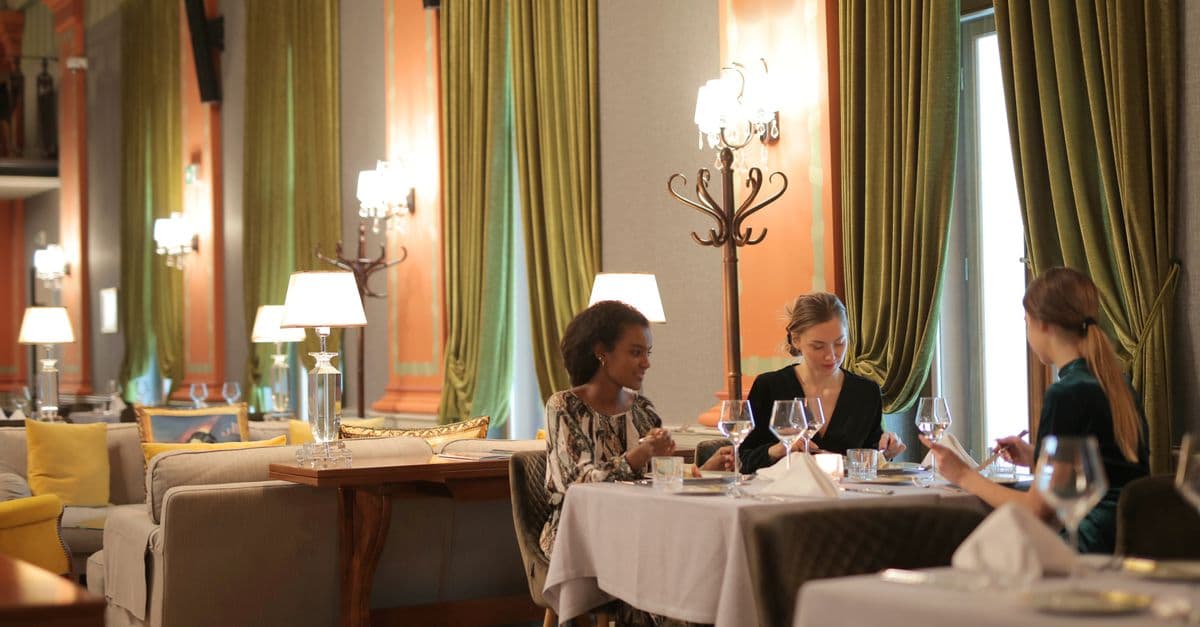
Your content should answer those questions before the viewer has to ask. Show the dish clearly. Show the room when it is alive. Show staff moments that make the restaurant feel human. Then make the next step easy with a reservation link, ordering link, phone number, address, and pinned post for first-time visitors.
This is where social media and local SEO overlap. Google tells Business Profile owners to add photos and videos, keep business information accurate, and respond to reviews because these details help customers choose a business on Search and Maps (Google Business Profile Help). Your social content should support the same job. A customer might find you on Instagram, check reviews on Google, then come back to your profile to look at recent food and atmosphere.
For QUE Media clients, we usually think about restaurant content in two lanes. The first lane creates appetite today: food close-ups, daily specials, chef moments, and table-side reveals. The second lane builds confidence over time: reviews, regulars, neighborhood references, and staff stories. Appetite gets attention. Confidence gets the booking.
The weekly content mix restaurants can actually maintain
A restaurant does not need to post twelve times a day. It needs a repeatable system that survives busy service, staffing changes, and the reality that nobody wants to stop a dinner rush to film content.
Start with four content pillars: signature dishes, atmosphere, people, and decisions. Show the menu items people already photograph. Show the room, patio, bar, music, and Saturday rush. Show chefs, servers, owners, regulars, and suppliers. Then answer simple choice-based questions like what to order first, when to visit, how to book, and what works for a group of six.
A realistic weekly plan might look like this: two short-form videos, two Stories, one carousel, and one Google Business Profile photo update. One video can be food-focused. One can be personality or trend-based. The carousel can answer a customer question, such as "what to order if it is your first time here" or "three dishes under $25."
DoorDash frames social media as a tool for tangible restaurant growth, not just food photos, in its restaurant social media guide. That is the right mindset. Content should help someone choose you over the other restaurant they were considering.
One filming session can cover most of the week. Capture prep, plating, a server walk-through, the busiest hour of service, and three dish close-ups. From that, you can build Reels, TikToks, Shorts, Stories, and Google photos. If you need help turning that into a proper workflow, QUE Media's social media services are built around exactly this kind of local content engine.
Short-form video ideas that fill seats without feeling like ads
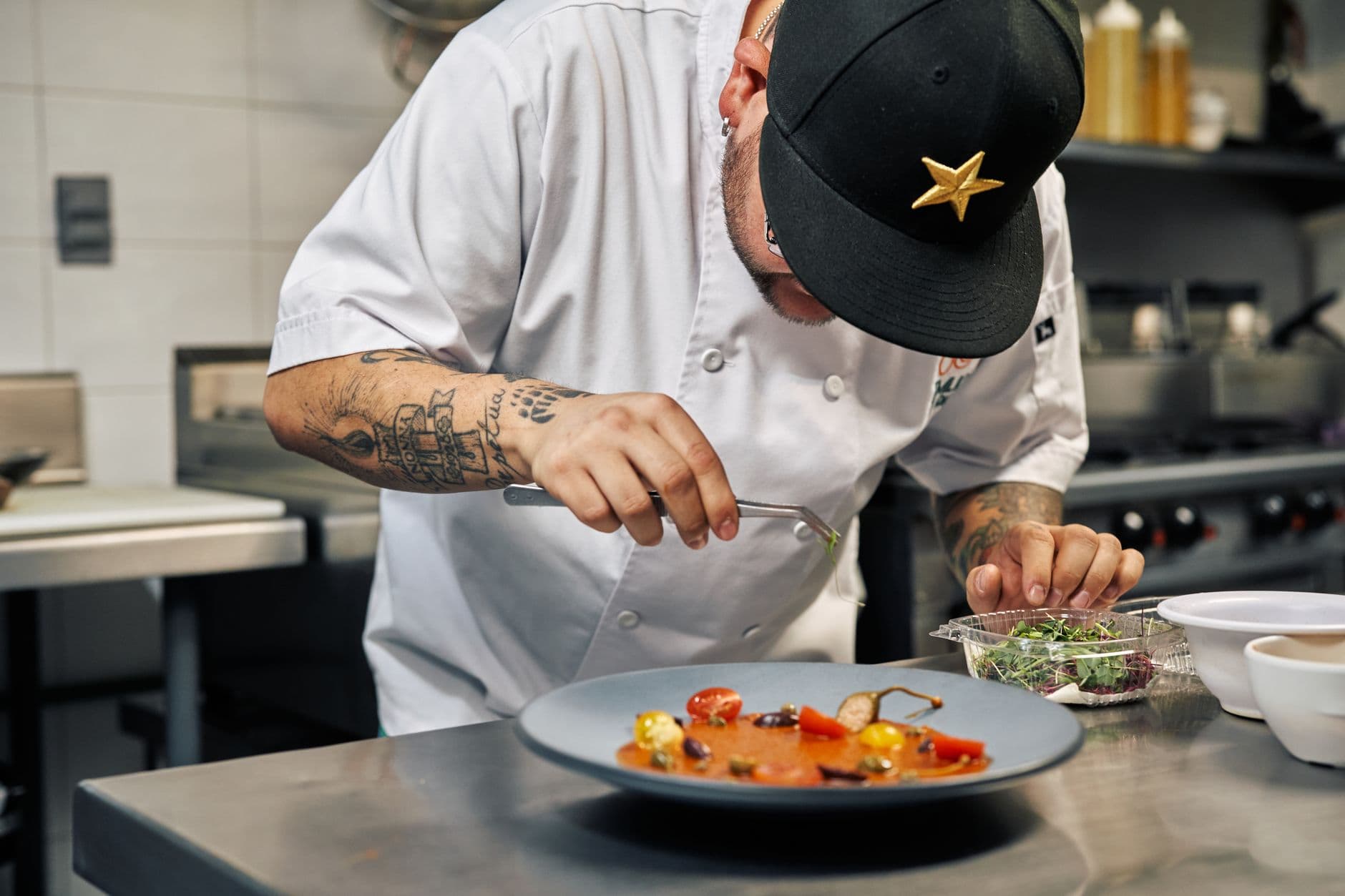
Food content performs when people can almost taste it. That does not mean every video needs a slow-motion cheese pull. It means every clip needs a reason to keep watching.
Start with simple formats. Film a dish from raw ingredient to table in 15 seconds. Show the first pour of a cocktail. Record a chef explaining the one menu item they would order on their day off. Ask a server what regulars always recommend. Show a table deciding between two desserts. Film the patio before the rush, then again when it is full.
Video matters because customers prefer it when they are learning about products and services. Wyzowl reports that 63% of people most want to learn about a product or service through a short video, and 89% say video quality affects their trust in a brand (Wyzowl). For restaurants, quality does not always mean expensive production. It means clear lighting, appetizing framing, clean audio when someone speaks, and a first second that earns attention.
Avoid the trap of making every video a direct pitch. A clip that says "book now" for 20 seconds feels like an ad. A clip showing a packed room, a server laughing with a table, and a dish landing hot feels like a night out. The booking urge comes from the scene, not the command.
For more on how Reels and TikTok differ, the Instagram Reels vs TikTok guide breaks down platform behavior. The short version for restaurants is this: TikTok is strong for discovery and personality, Instagram is strong for conversion and DMs, and YouTube Shorts can keep searchable food content working longer.
How restaurants should use Instagram, TikTok, Facebook, and Google together
Each platform has a job. Instagram is your visual storefront. TikTok is your discovery channel. Facebook is useful for older customers, events, community groups, and local updates. Google Business Profile is where high-intent diners check whether you are real, open, nearby, and worth visiting.
Do not copy and paste blindly, but do not create everything from scratch either. A 20-second pasta Reel can become a TikTok with a more casual caption, a YouTube Short with a searchable title, a Facebook Reel for local followers, and a Google photo update from the same shoot. The creative idea stays the same. The packaging changes by platform.
Instagram should make booking easy. Keep your reservation link in the bio, use Story highlights for menu, parking, patio, private events, and FAQs, and pin a post for first-time visitors. TikTok can be looser: owner reactions, staff opinions, local jokes, and quick behind-the-scenes clips. Google should get your best current photos, fresh posts when useful, and steady review replies.
Google keeps raising the stakes on that last channel. In June 2026 it connected Business Profiles to the Gemini app, which can now flag unanswered customer questions and review trends for you, and Google Analytics began importing Business Profile actions like calls and direction requests (Search Engine Journal, 2026). Restaurants that keep profile photos fresh and reply to reviews quickly get more out of both changes than restaurants treating Google as a set-and-forget listing.
The best platforms for small business guide goes deeper on channel selection. Restaurants can justify using several platforms because the same food content can travel well across all of them. The risk is spreading weak content everywhere instead of building one strong content source and adapting it intelligently.
How to turn views into reservations, orders, and repeat visits
A viral restaurant video is only useful if people know what to do next. That sounds obvious, but many restaurants lose the conversion because the profile is messy. The bio says "DM for inquiries," the link goes nowhere useful, the address is missing, and the latest pinned post is from a holiday event three months ago.
Fix the basics first. Your Instagram and TikTok bios should say what type of restaurant you are, where you are, and how to book or order. Your Google profile should match your website and social profiles. Your menu link should work on mobile. Your Stories should answer the questions people ask before visiting: hours, parking, patio, halal or vegetarian options if relevant, private dining, takeout, delivery, and reservation policy.
Then build conversion into the content. A Reel about a date-night menu should mention booking for Friday. A TikTok about a lunch special should say the neighborhood and hours. A Story showing empty tables at 5:30 should include a reservation sticker or link. A carousel of best dishes for first-time visitors should end with a simple next step.
For paid campaigns, restaurants can retarget people who watched videos, engaged with posts, or visited the website. That is where organic content and ads work together. A person watches three pasta videos, clicks the menu, and then sees a weekend reservation ad. That ad feels relevant because the content warmed them up first. The Meta Ads vs Google Ads comparison explains when paid social makes sense for local businesses.
Go back to that rainy Tuesday on Elgin Street. The restaurant with empty tables does not have a food problem. It has an attention problem and, more specifically, a local attention system problem.
The fix is not to post more random content. The fix is to show the food clearly, make the room feel alive, answer the questions diners ask before they book, and connect every strong piece of content to a next step. Reels, TikTok, Facebook, Google, and your website should not operate like separate islands. They should point diners toward the same decision: this is where we should eat next.
If your restaurant is ready to turn social media into a steady source of reservations, orders, and local recognition, talk to QUE Media. See exactly how we work with kitchens like yours on our restaurant marketing page. We help Ottawa businesses build content systems that look good, sound human, and move people from scrolling to showing up.
Frequently Asked Questions
How often should a restaurant post on social media?
Most restaurants should aim for two to three strong feed posts or short videos per week, plus regular Stories when there is something timely to share. Consistency matters more than volume. If you can only maintain two good Reels per week, that is better than posting seven rushed graphics that nobody engages with. Add fresh Google Business Profile photos weekly when possible because diners often check Search and Maps before visiting.
What social media platform is best for restaurants?
Instagram is usually the strongest all-around platform for restaurants because it works as a visual storefront and supports Reels, Stories, DMs, menus, and booking links. TikTok is excellent for discovery, especially when the restaurant has personality or strong visual food content. Facebook still helps with local community updates, events, and older diners. Google Business Profile is not a social platform, but it should be part of the same marketing system.
What should restaurants post on Instagram?
Post signature dishes, staff moments, behind-the-scenes prep, busy-room atmosphere, limited-time specials, customer reactions when you have permission, and simple guides like what to order on a first visit. Avoid filling the feed with only menu graphics. People want to feel the food, room, and service before they decide to book.
Does TikTok work for local restaurants in Ottawa?
Yes, TikTok can work well for Ottawa restaurants because food content is visual and easy to share. The content needs to feel native to the platform, not like a traditional ad. Local jokes, chef reactions, staff picks, dish reveals, and quick service moments can reach people who do not follow the restaurant yet. The profile still needs a clear location and next step so views can turn into visits.
How do restaurants turn social media views into reservations?
Start by making the profile easy to act on: location, booking link, menu link, hours, and contact details should be obvious. Then connect content to specific decisions, such as date night, lunch, patio season, group dinners, or weekend reservations. Retargeting engaged viewers with Meta ads can also help once the organic content is getting attention. The goal is to make the next step feel natural, not forced.